
As hurricane season approaches in Pinellas County, FL, homeowners know that preparation is key. Your roof is the first line of defense against high winds, heavy rain, flying debris, and sudden pressure changes—all of which can cause extensive damage if your roofing system isn’t ready. A well-maintained roof not only protects your home during a storm but can also reduce the risk of costly repairs and insurance claims afterward. With Florida’s unpredictable weather, proactive roof maintenance is essential. Here are the most important steps Pinellas homeowners should take before hurricane season arrives.
Schedule a Professional Roof Inspection
Before severe weather hits, the smartest thing a homeowner can do is schedule a professional roof inspection. Trained roofing experts know how to spot early warning signs such as loose shingles, weak flashing, soft spots, and hidden leaks. These issues may not be obvious from the ground, but they can lead to major damage when exposed to hurricane-force winds.
Professionals use advanced tools to examine the roof’s structure, underlayment, ventilation, and moisture levels. In Pinellas County, where tropical storms frequently form with little warning, having a yearly inspection can make the difference between a secure roof and an emergency repair situation.
Repair Damaged or Missing Shingles
Loose, lifted, or missing shingles create weak points where wind and rain can enter. Even a single compromised shingle can allow water penetration, leading to interior leaks, mold growth, and wood rot.
Before hurricane season, you should:
Replace any missing shingles
Repair tabs that are curling, cracking, or lifting
Secure shingles with strong, hurricane-rated nails
Check for granule loss, which indicates aging or weakening
Florida’s extreme sunlight and heat can cause shingles to deteriorate faster than in cooler climates. Addressing these issues now increases your roof’s resistance to high winds and driving rain.
Reinforce Roof Flashing and Seals
Flashing protects vulnerable areas such as chimneys, skylights, vents, and roof edges. If flashing becomes loose or corroded, water can seep underneath your roofing materials during a storm.
Before hurricane season, make sure:
Flashing is inspected and re-secured
Rusty or damaged sections are replaced
Sealants around vents, boots, and skylights are refreshed
Edges and drip lines are reinforced to prevent wind uplift
These small details can make a significant difference in preventing water intrusion during tropical storms.
Clean Gutters and Downspouts
Clogged gutters cause water to pool on your roof instead of draining properly. During a hurricane, this pooled water can overwhelm roofing materials, leading to leaks, soffit damage, or even structural weakening.
Make sure you:
Remove leaves, pine needles, and debris from gutters
Ensure downspouts direct water at least several feet away from the home
Check that all gutters are securely fastened
Install gutter guards if leaves are a recurring issue
Proper drainage allows rainwater to flow off the roof quickly—exactly what you want during intense Florida rain events.
Trim Overhanging Trees and Branches
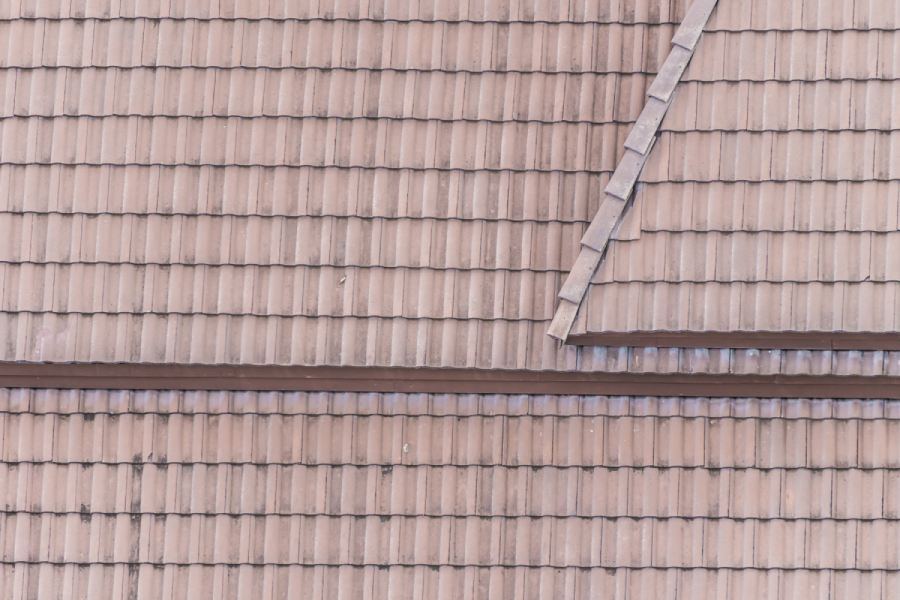
Pinellas County’s combination of frequent rain and strong winds makes overgrown trees a major risk to roofs. Branches that hang over your home can break off during a storm, puncturing roofing materials or causing major structural damage.
Before hurricane season:
Trim branches that touch or hang over your roof
Remove dead or weakened trees
Clear debris from around the home to prevent windborne hazards
Tree maintenance is one of the most effective ways to prevent roof damage during hurricanes.
Secure or Replace Loose Soffits and Fascia
Soffits and fascia protect your roof’s edges and ventilation system. If they loosen over time—especially in Florida’s humid climate—they can be torn off easily in high winds, exposing your attic to rain and debris.
Have these components inspected and re-secured before hurricane season begins. Tight, well-maintained soffits and fascia help keep your attic sealed and dry during extreme weather.
Check the Attic for Moisture and Ventilation Problems
Your roof’s condition is closely connected to your attic environment. Poor ventilation can trap heat and moisture, weakening roofing materials and underlayment. Before the storm season:
Look for signs of mold, damp insulation, or water stains
Ensure vents are open, unobstructed, and functioning
Check for daylight coming through gaps that may indicate roof damage
Make sure attic insulation is dry and evenly distributed
Proper ventilation helps your roof withstand dramatic temperature fluctuations during storms.
Install Hurricane Straps or Reinforcements
Many Florida homes are equipped with hurricane straps, but older roofs may not have adequate reinforcements. These metal connectors help secure your roof to your home’s structure, reducing the risk of the roof lifting off during extreme winds.
If your home is older or you’re unsure about your roof’s hurricane readiness, ask a professional to assess whether additional straps or fasteners are needed. Reinforcing your roof now can significantly reduce storm damage.
Prepare for Emergencies and Have Supplies Ready
Even the best-maintained roof can suffer damage during a severe hurricane. It’s important to have emergency supplies available, including tarps, roofing nails, sealants, and basic tools. These items can help you control damage until professionals arrive.
Additionally:
Keep important documents in waterproof containers
Take photos of your roof before hurricane season for insurance purposes
Review your homeowner’s insurance policy for storm-related coverage
Proper preparation ensures you’re ready if roof repairs become necessary.
Final Thoughts
Hurricane season in Pinellas County requires serious preparation, and your roof should be at the top of your checklist. By completing regular inspections, addressing minor repairs, cleaning gutters, trimming trees, and reinforcing vulnerable areas, you greatly reduce your risk of costly damage when storms arrive.
A well-maintained roof protects your home, your belongings, and your peace of mind. Taking the time to prepare now can save you thousands in repairs—and ensure your family stays safe during Florida’s toughest weather.